Credit: Steam
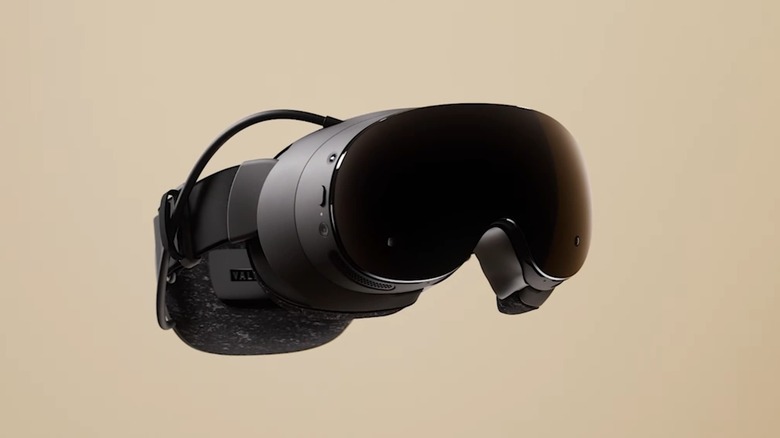
Valve’s latest virtual reality headset, the Steam Frame, reflects an important part of the company’s hardware development philosophy: real-world user feedback can be just as valuable as technical innovation. While the headline suggests that one gamer convinced Valve to make changes, the story highlights a broader approach in which everyday use and repeated testing help shape the final product.
Comfort Became a Key Design Priority
According to interviews with Valve’s hardware engineers, the company had developed earlier headset designs several years before Steam Frame’s eventual release. However, when the team tested those prototypes, they found them too large and bulky for the experience they wanted to deliver.
Rather than moving forward with the existing designs, Valve returned to the drawing board and continued refining the headset’s weight, balance and fit. The goal was to make VR more comfortable and convenient for everyday use.
Why User Feedback Matters
Valve’s development process allows engineers to test hardware regularly and share feedback directly with the people responsible for its design. This makes it possible to identify practical problems, such as uncomfortable weight distribution, and address them through rapid design iterations.
The Steam Frame builds on lessons learned from the Valve Index and Steam Deck. Its wireless operation, lightweight construction and standalone capabilities are intended to reduce the barriers that can discourage people from using VR regularly.
A Different Approach to VR Hardware
The story illustrates why hardware development does not always follow a straight path from prototype to release. Even a technically impressive headset can require substantial redesign if it fails to meet users’ comfort and usability expectations.
For Valve, the lesson is straightforward: creating a better VR experience means considering not only what the hardware can do, but also how it feels during everyday use.