Credit: Warburg Parker
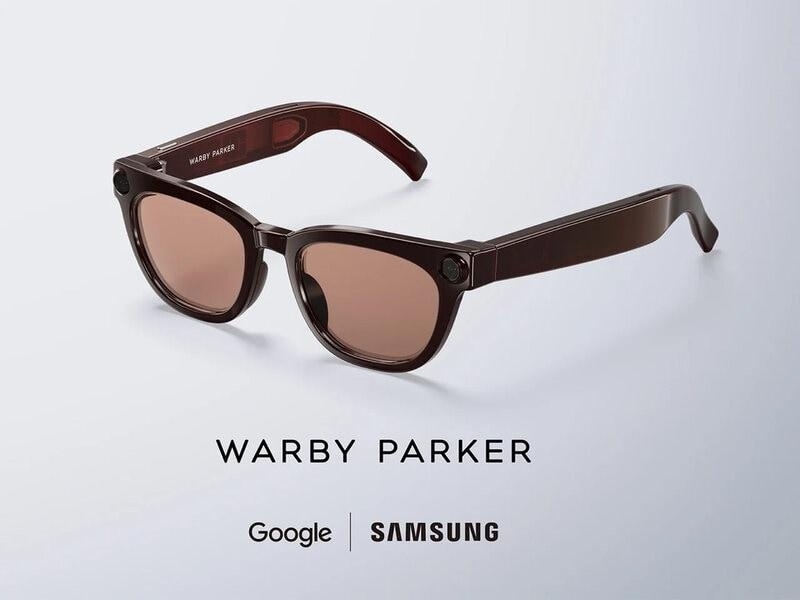
Google and Samsung have officially opened pre-orders for their new Android XR-powered smart glasses, marking a major step in their attempt to challenge Meta’s growing dominance in the AI wearables market.
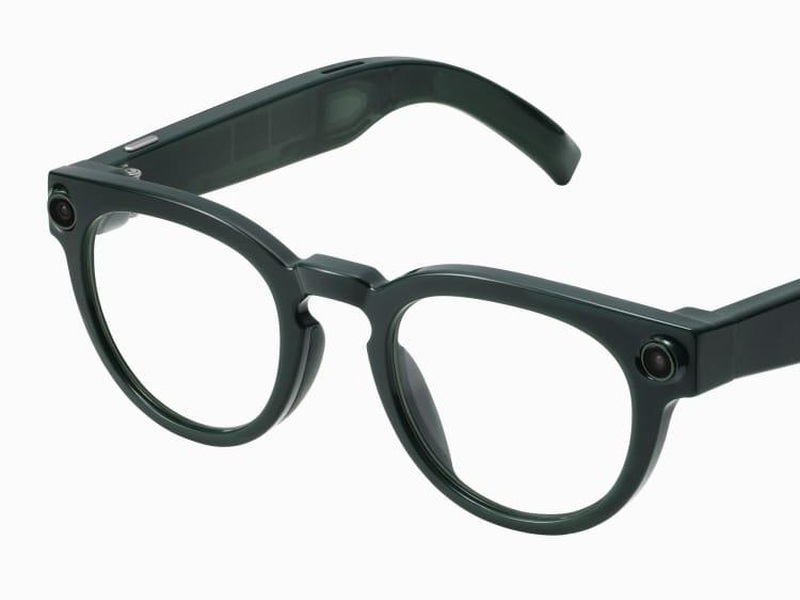
The new collection is being developed in collaboration with eyewear brands Warby Parker and Gentle Monster, combining traditional glasses designs with Google’s Gemini AI assistant and Samsung’s hardware technology.
Prices start at $395 for Warby Parker models, while Gentle Monster versions begin at $449. The first devices are expected to go on sale on December 10.
Unlike traditional augmented reality glasses, the first-generation models do not feature built-in displays. Instead, they focus on hands-free AI assistance, allowing users to interact with Gemini through voice commands, take photos, record videos, receive navigation instructions and translate conversations in real time.
The hardware includes a 12-megapixel camera, built-in speakers, microphones and a battery rated for approximately nine hours of use. A charging case is also included.
Early reviews have been somewhat mixed. Several technology journalists praised the lightweight design, practical AI features and Gemini’s ability to understand visual information. Live translation and hands-free assistance were also highlighted as particularly promising features.
However, some reviewers pointed out limitations, including occasional awkward voice interactions, inconsistent translation performance and the absence of an integrated display. Privacy concerns surrounding camera-equipped smart glasses also remain an important issue.
Google says it has introduced several safeguards, including a visible recording indicator and protections designed to prevent users from secretly disabling it. The company also states that visual information processed by Gemini will not be used for AI training or targeted advertising.
With pre-orders now open, Google and Samsung are positioning Android XR as a serious competitor to Meta’s Ray-Ban smart glasses. Whether consumers are ready to make AI-powered eyewear part of their everyday lives remains to be seen.