Credit: XBX
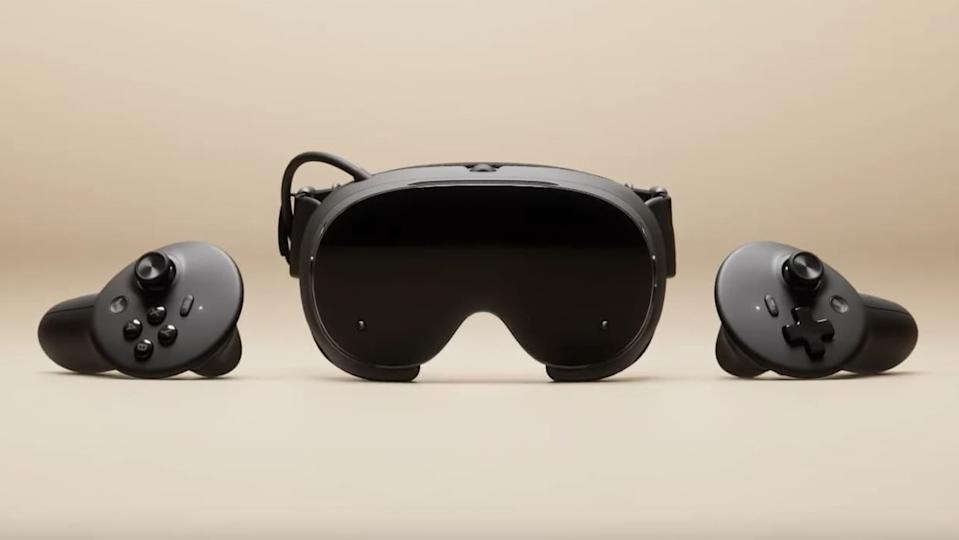
At the Google I/O conference, Xreal unveiled the Aura model—smart glasses with OLED displays built into the frames. They operate using a mini-computer that connects to the glasses via a wire and fits in a pocket. This solution enables the launch of XR (augmented reality)-enabled apps, including Google Maps, VR video, hologram drawing using hand gesture tracking, and simple games.
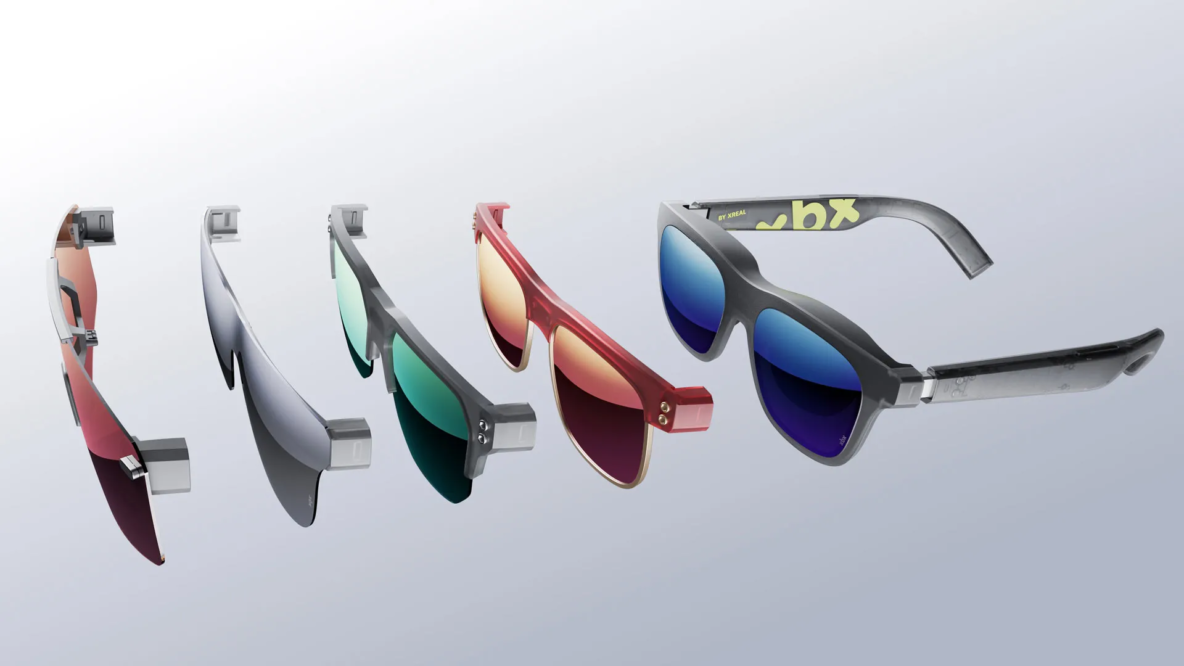
However, like most models in the standard Xreal line, the Xbx A01 is designed for viewing traditional content when physically connected to standard mobile devices: phones, tablets, portable gaming consoles and laptops.
Although these glasses lack any camera sensors, electrochromic dimming, or the “Sound by Bose” audio system found in other Xreal devices, they cost only 1,799 yuan (~$265), making them the company’s cheapest AR glasses to date.
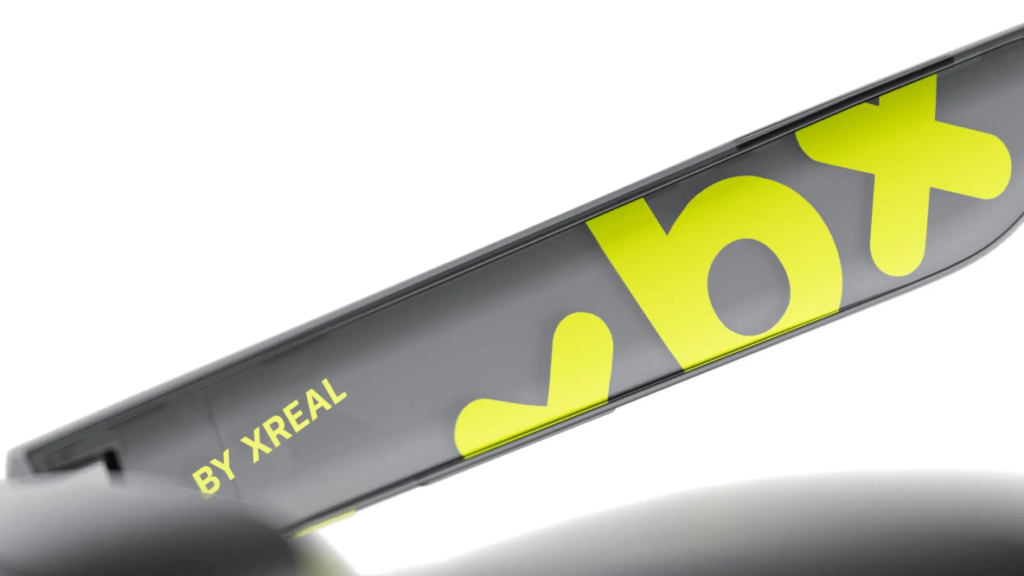
But with a name like Xbx, easily confused with Microsoft’s Xbox, it’s unlikely we’ll see this brand outside of continental Europe. At least, not in its current form.
The glasses are currently only available to developers, but a commercial launch is planned for the end of 2026. Xreal is also preparing an IPO.