Credit: Wikipedia
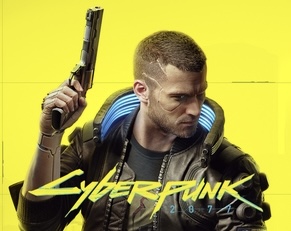
Earlier this year, a scandal erupted in the Cyberpunk 2077 mod scene. Renowned VR mod developer LukeRoss received a DMCA strike (copyright infringement) from CD Projekt RED.
The problem is that LukeRoss wasn’t just making a mod, he was selling it. CDPR offered to make the project free, but the modder refused and subsequently faced the consequences.
The main answer lies in the mod’s technical nature. Unlike Luke Ross’s “Cyberpunk VR,” which delved deeply into the game’s code and offered a fully-fledged virtual reality shooter, Dreampunk 3.4 is merely a set of presets (configurations) for the popular tool ReShade.
In Theory, Theo explains that NextGenDreams isn’t actually selling the mod itself or the modified game files, but rather instructions on how to configure Reshade to achieve photorealistic images in Night City. Technically, the authors aren’t rewriting Cyberpunk 2077’s scripts or interfering with gameplay; they’re merely changing the image post-processing parameters on the user’s graphics card.
However, the YouTuber notes that similar logic has already been used by Luke Ross, but it did not save his VR project from being blocked.