Credit: Steam
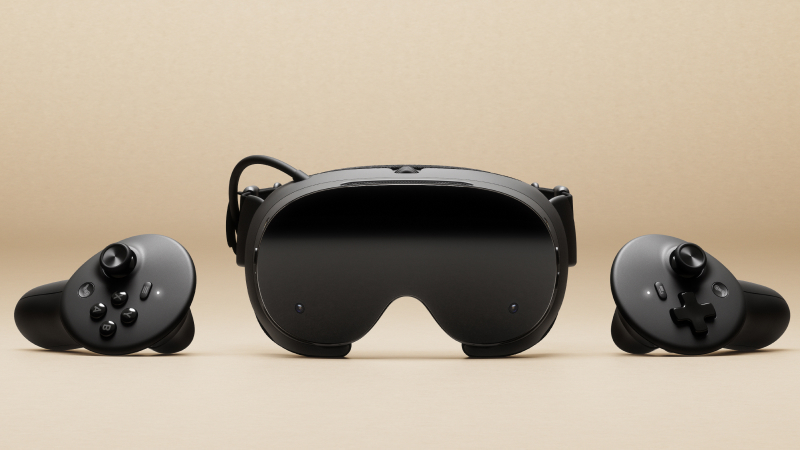
New concerns have emerged that reduced component supply will lead to higher prices for the Steam Frame. Qualcomm announced a price hike for Snapdragon chips, including system-on-chips (SoCs) for VR headsets. Storage and RAM shortages have already led to delays in the release dates of the Steam Machine and Steam Frame.
According to Bloomberg, Qualcomm will implement a double-digit percentage price increase on its chips starting September 1st. Valve insider Brad Lynch believes this will directly impact the cost of VR headsets. The situation is exacerbated by a general component shortage: a shortage of storage and RAM has already led to delays in the release of not only the Steam Frame but also the Steam Machine. This is due to high demand from AI data centers, which are actively buying up memory and processors, including those used in mobile devices and VR systems. Under these conditions, Qualcomm stated that it can no longer cover rising costs.
The Steam Frame uses a Snapdragon 8 Gen 3 SoC, as well as 16 GB of unified LPDDR5X memory and 256 GB or 1 TB of UFS storage options—all of which significantly impact production costs. Valve initially wanted to make the headset cheaper than its predecessor (the Index cost $999), and early estimates put the base price at around $800. Now, a price over $1,000 seems more realistic.
Component difficulties also hit the Steam Machine project: according to insiders (including Moore’s Law Is Dead), Valve failed to stockpile sufficient critical components before the shortage worsened. The optimal solution would have been to stockpile Snapdragon processors early, before the September price hike.