
Credit: Valve
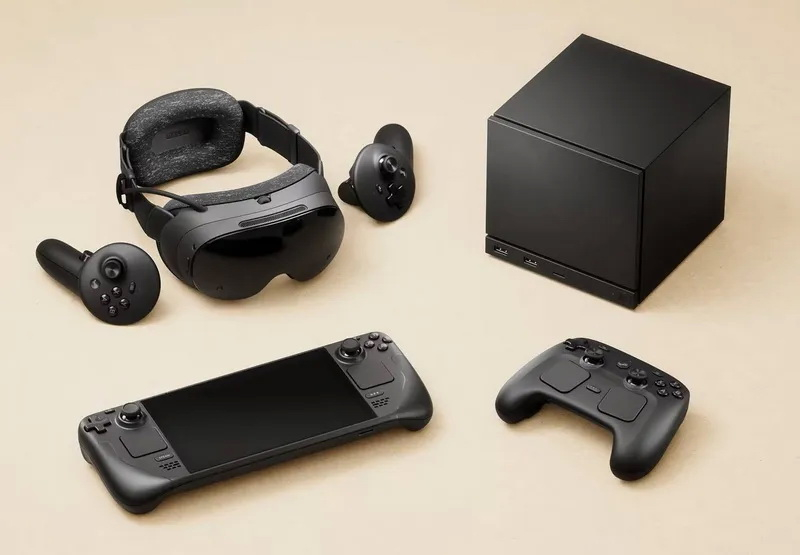
At the Game Developers Conference in San Francisco, Valve explained to developers how to prepare games for certification on future SteamOS-based devices. The discussion focused on two systems: the Steam Machine console and the Steam Frame VR headset.
Valve previously announced that games that pass Steam Deck compatibility testing will also automatically receive Steam Machine Verified status. These games must run at a stable frame rate of at least 30 frames per second at 1080p resolution.
Games that generally ran smoothly on the portable console and were designated Deck Playable will also receive Machine Verified status, meaning they will definitely run on the new Steam Machine and are expected to offer improved performance. Games designated Deck Playable but that don’t run properly on the portable console due to control issues or other reasons will be classified as Machine Playable.
Finally, games rated Deck Unsupported due to the portable console’s power limitations will be re-evaluated for Steam Machine compatibility and then designated Verified or Playable based on the results. If a game is rated Deck Unsupported due to issues running on SteamOS, it will be classified as Machine Unsupported.
As for the Steam Frame VR headset, there’s no separate compatibility verification program. Valve states that if a game runs well on your PC, it will run well on the Steam Frame. For standalone VR games, there’s no Frame Verified level at all. There are only two levels: Frame Test and Frame Unsupported.
This approach allows Valve to more quickly expand its catalog of compatible games and simplifies the transfer of test results between devices in the Steam ecosystem.
This means that the certification system is focused primarily on guaranteed game compatibility with the device, rather than achieving maximum performance.